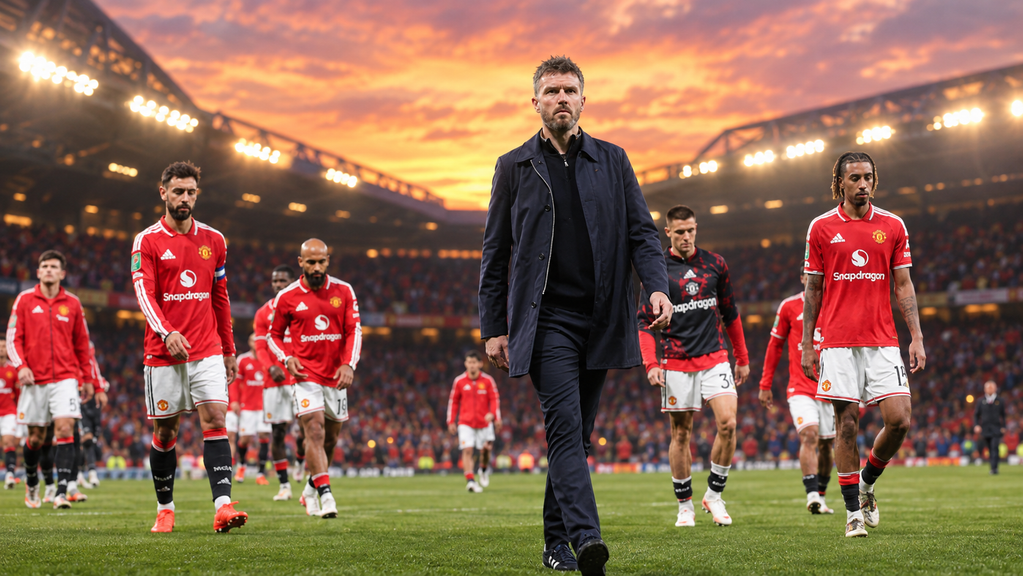
Manchester United’s current six-game winless run is concerning, but it remains far short of the club’s longest-ever streak without a victory.
To find that unwanted record, we must travel back to 1930, nearly a century ago, when the world was vastly different. World War I was still within living memory, the Wall Street Crash had triggered the Great Depression, and the global economy had yet to reach its lowest point. Meanwhile, author John Steinbeck was still seven years away from publishing Of Mice and Men.
Back then, Manchester United was far from English football’s dominant force. Under manager Ernest Mangnall, the club had twice reached the summit, winning league titles in the 1907–08 and 1910–11 seasons. However, United’s success faded almost as quickly as it arrived.
Mangnall departed for Manchester City in 1912, and United soon found themselves battling to avoid relegation from the top flight. Their struggles continued until competitive football was suspended at the end of the 1914–15 season due to the First World War.
A Record-Breaking Slump Years in the Making
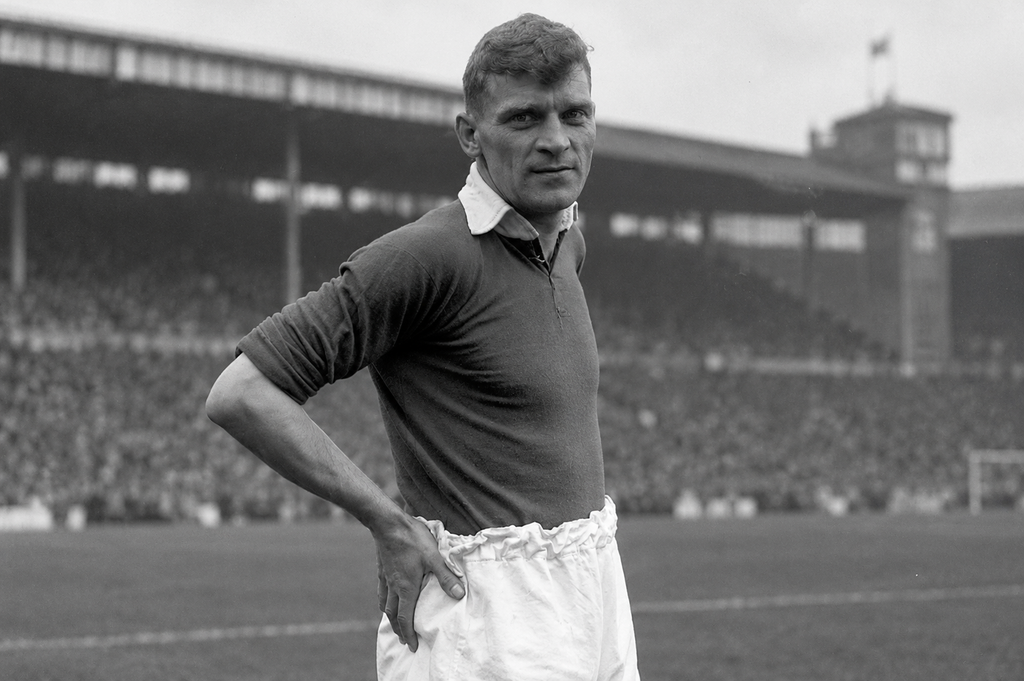
When football resumed after the war that was meant to end all wars, Manchester United’s struggles continued. The club finished 12th, then 13th, before dropping to 22nd and suffering relegation in the 1921–22 season. The decline was setting the stage for an unwanted record: a run of 16 consecutive matches without a victory.
United eventually returned to the First Division, English football’s top tier for more than a century before the Premier League was established in 1992. However, after three seasons in the second division, the club still struggled to compete with the leading sides of the era, including Huddersfield Town, Sunderland, Everton and the increasingly dominant Arsenal.
Further instability followed in 1926, when manager John Chapman was suspended by the Football Association for “improper conduct,” without any public explanation. Lal Hilditch was quickly appointed player-manager, a rare arrangement in United’s history that was repeated only when Ryan Giggs took charge in 2014.
Herbert Bamlett, a former referee, subsequently became the permanent manager. His appointment failed to reverse the club’s fortunes, and Manchester United’s troubles deepened further.
But the winless streak continued apace when 1930–31 began. United lost the opening 12 matches of that season, failing to pick up a single point until Nov. 1 when the winless streak finished at 16 games thanks to a 2-0 victory over Birmingham City at Old Trafford.
Man Utd’s 16-Match Winless Streak in 1930
| Season | Date | Result |
|---|---|---|
| 1929–30 | Apr. 19 | Man Utd 3–3 Everton |
| 1929–30 | Apr. 22 | Huddersfield 2–2 Man Utd |
| 1929–30 | Apr. 26 | Leeds 3–1 Man Utd |
| 1929–30 | May 3 | Man Utd 1–5 Sheffield Utd |
| 1930–31 | Aug. 30 | Man Utd 3–4 Aston Villa |
| 1930–31 | Sept. 3 | Middlesbrough 3–1 Man Utd |
| 1930–31 | Sept. 6 | Chelsea 6–2 Man Utd |
| 1930–31 | Sept. 10 | Man Utd 0–6 Huddersfield |
| 1930–31 | Sept. 13 | Man Utd 4–7 Newcastle |
| 1930–31 | Sept. 15 | Huddersfield 3–0 Man Utd |
| 1930–31 | Sept. 20 | Sheffield Wed. 3–0 Man Utd |
| 1930–31 | Sept. 27 | Man Utd 0–2 Grimsby |
| 1930–31 | Oct. 4 | Man City 4–1 Man Utd |
| 1930–31 | Oct. 11 | West Ham 5–1 Man Utd |
| 1930–31 | Oct. 18 | Man Utd 1–2 Arsenal |
| 1930–31 | Oct. 25 | Portsmouth 4–1 Man Utd |
Fan Power in Soccer Existed a Century Ago
Fans had already made their frustrations known. The Manchester United Supporters’ Club issued a five-point demand to the board, asking for a new manager to replace Bamlett, a new scouting system, new signings, five new shareholders elected to the board and the issue of new shares to raise funds. Those demands were ignored, leading to the threats of a boycott when Arsenal—a few months away from their first league championship—visited Old Trafford on Oct. 18, 1930.
The boycott didn’t exactly happen, with 23,406 making it the best-attended home game of the season. But apathy had well and truly set in, because numbers plummeted thereafter and, come May 1931, fewer than 4,000 watched the final game as a top-flight team for five years.
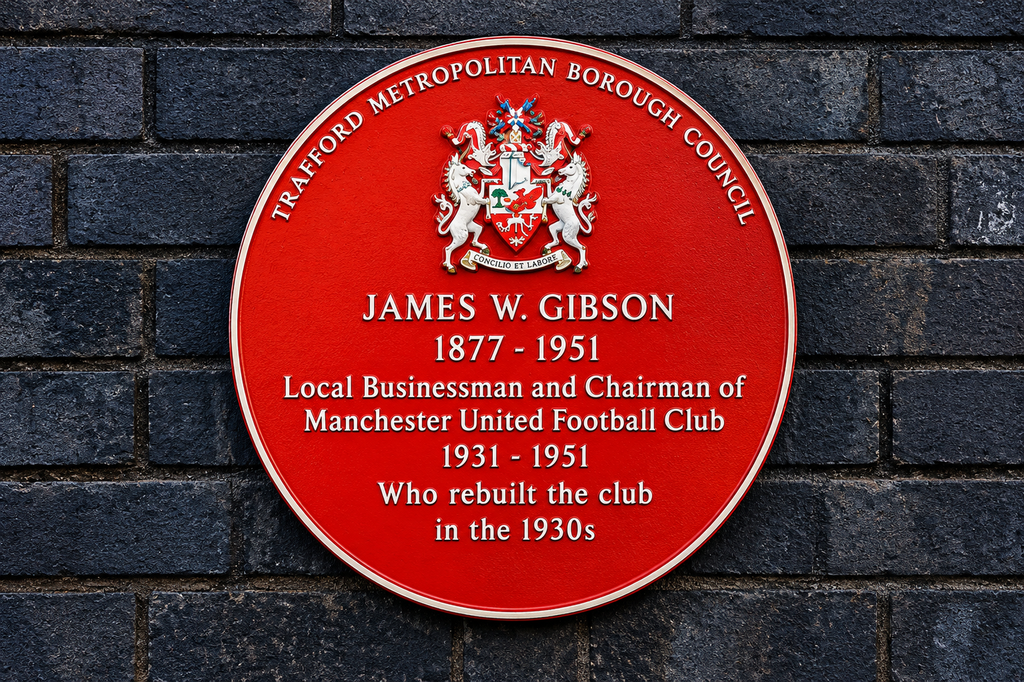
Financially, United were saved when James W. Gibson took over post-relegation in 1931, although the on-field downfall didn’t immediately stop, going alarmingly close to relegation into the third tier in 1933–34. A promotion, another relegation and a promotion had United back in the top flight by 1938, with the club taking a new approach by founding the Manchester United Junior Athletic Club—a precursor to the modern-day academy—and not fully stabilized until the appointment of manager Matt Busby at the end of World War Two.
Never again, has the club gone 16 consecutive matches without winning.
